
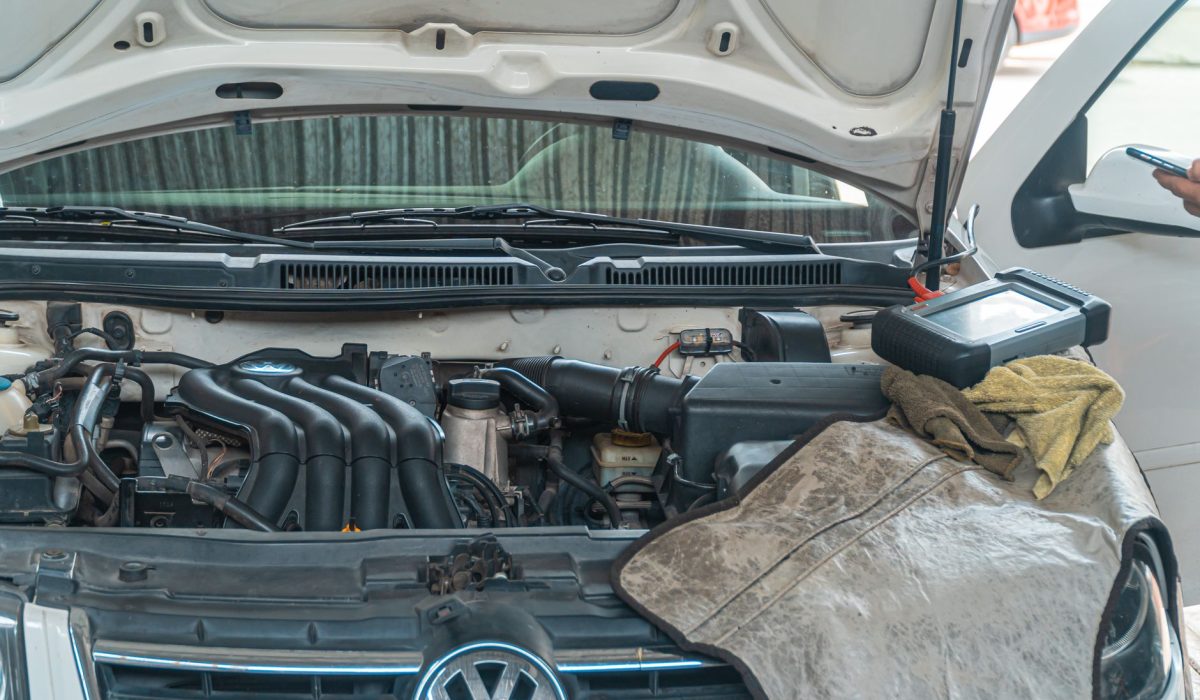
Wondering how long is a smog check? Discover the exact time needed for different cars and how you can speed up your visit to the emissions station today.
The mail arrives on a random Tuesday afternoon. You open a crisp letter from the motor vehicle department. The paper demands a mandatory emissions test. Everyone groans out loud when this happens. Folks just want to drive to work in peace. Nobody really wants to visit a dusty repair shop. Time is literally money. People always ask how long is a smog check going to take. The actual answer completely depends on your car. It also depends heavily on the specific auto shop. The whole inspection system is a bit of a headache. Still, it definitely keeps our local sky clear. Mechanics see stressed drivers every single day. The customer waiting room is never a fun place. Stale coffee sits in a dirty glass pot. Old car magazines cover a cheap wooden table. The anxiety builds slowly. The mechanic finally takes your car keys.
The Reality Of The Emissions Station
The modern testing center is a remarkably busy place. Cars line up very early in the morning. Engines idle loudly in the cracked parking lot. The distinct smell of exhaust hangs in the air. A smog check is a strict government requirement. Cities actually used to look completely awful. Thick brown smoke covered the tall office buildings. Politicians eventually decided to fix the massive problem. They made rigid rules for vehicle exhaust pipes. Now, every single car must pass a strict test.
Mechanics plug expensive machines into the cars. They read digital data from the car engines. A passing grade gets you a shiny new sticker. A failing grade brings a huge, painful repair bill. Shop owners see the sheer panic on customer faces. The whole ordeal feels exactly like a high school pop quiz. Some vehicles sail right through the process. Other cars sputter and totally die on the machine. The daily process is incredibly loud. Air compressors hiss sharply in the background. Heavy metal wrenches drop on the hard concrete floor. It is a very messy industry. Yet, the air is much cleaner today. The strict rules actually worked.
The Digital Scan For Newer Models
Modern cars make the entire process wonderfully easy. Vehicles built after the year 2000 are basically rolling computers. Mechanics absolutely love dealing with these newer cars. For a fresh model, the whole test takes about fifteen minutes. Look, the technician does not even check the tailpipe. They simply look for a small plastic port under the steering wheel. This port is the onboard diagnostic system. Industry folks just call it the OBD-II connection.
A simple computer cable connects the car to a state machine. The digital brain talks instantly to the testing computer. It shares all the secret engine error codes. If the dreaded check engine light is off, the test ends super fast. The computer prints out a clean, passing certificate. The happy driver pays the standard shop fee. The car rolls easily out of the service bay. It is a very quick and painless event. Fast computers completely changed the entire repair game. Mechanics barely even get their hands dirty. The customer line moves incredibly fast. Everyone goes home completely happy.
Older Cars Face A Tougher Road
Vehicles from the late nineties tell a completely different story. Cars built between 1996 and 1999 are notoriously tricky. They have very early, primitive computer systems. These old digital brains are incredibly slow. A test for these specific models takes around twenty-five minutes. The technician must also perform a strict visual inspection. They open the heavy metal hood. They grab a bright tactical flashlight. They check every single rubber hose for hidden damage.
Old rubber gets extremely brittle over the years. It cracks badly under extreme engine heat. Tiny vacuum leaks cause terrible air pollution. Mechanics know exactly where to look for these issues. They easily find broken electrical wires. They spot missing plastic vacuum caps. The government forces these shops to be very strict. A single cracked hose means an instant, automatic failure. The nervous owners of these older cars always pace the waiting room. They know their trusty old sedan might not pass. Age simply catches up with every machine eventually. The repair bills for these older vehicles are often steep. It is a really tough break for drivers on a tight budget.
The Brutal Tailpipe Treadmill Test
Classic cars and rusty beaters face the ultimate testing challenge. Vehicles built in 1995 or earlier need a full tailpipe test. This intense ordeal lasts thirty-five minutes or sometimes even more. The car actually drives on a massive metal treadmill. The automotive industry calls this giant machine a dynamometer. It is a heavy piece of solid steel buried in the ground. The mechanic straps the car down with huge nylon belts. Safety is a massive deal in this specific bay.
The car tires spin at extremely high speeds. The mechanic shoves a long metal probe into the exhaust pipe. This probe sniffs the actual dark smoke. The state computer measures the dirty, toxic gases. The engine noise is absolutely deafening. The classic motor roars loudly inside the concrete shop. The massive belts squeal. The whole building physically shakes. It requires serious mechanical skill to run this machine safely. A bad slip could easily launch the car through a brick wall. Drivers with vintage cars just sit down and pray. The test is truly old school. It is raw, loud, and deeply mechanical.
Diesel Trucks Play By Different Rules
Heavy pickup trucks run entirely on thick diesel fuel. These large engines sound completely different from standard cars. They smell different too. The rules for these trucks are totally separate. A diesel test usually takes roughly thirty minutes to finish. Diesel engines naturally create thick, black exhaust soot. The state environmental department hates this soot. Mechanics must thoroughly check the giant particulate filters. These expensive filters trap the heavy black smoke.
Some sneaky truck owners try to cheat the state system. They completely remove the filters to get more engine horsepower. Mechanics catch this clever trick almost instantly. The visual inspection for a diesel truck is incredibly intense. The technician looks for hidden, illegal computer tuners. They look for massive illegal exhaust pipes. The fine for cheating the system is massive. Honest shops totally refuse to risk their valuable business licenses. A dirty diesel truck simply fails on the spot. The process is remarkably strict. Truckers often complain loudly about the harsh regulations. They just want to haul their heavy cargo. But the clean air laws spare absolutely no one.
Common diesel test inspection points:
- Checking heavy smoke thickness from the rear pipe.
- Looking for missing factory exhaust filters.
- Hunting for illegal performance computer chips.
- Testing broken engine warning dashboard lights.
Smart Ways Drivers Skip The Long Wait
Nobody likes wasting a beautiful sunny afternoon at a dirty garage. Smart people actually know how to beat the massive crowds. The end of the month is a total scheduling nightmare. Everyone waits until the very last possible minute. The vehicle lines stretch entirely around the city block. Mondays and Fridays are also terribly busy days. People constantly try to run errands right around the weekend.
So, the smartest drivers go on a random Wednesday morning. The auto shop is usually completely empty. The lead mechanic is relaxed and friendly. A simple mid-month visit saves hours of standing around. Another great trick involves a good, long highway drive. Cold car engines frequently fail these tests. The catalytic converter needs extreme heat to work correctly. A quick drive on the fast freeway burns off the internal junk. The exhaust system gets nice and hot. This easy trick helps borderline cars pass the tough sniff test. Savvy car owners always check their tire pressure too. Proper tires help the car spin incredibly smoothly on the testing treadmill. These small details really matter a lot.
Why Vehicles Fail Without Warning
A bright yellow check engine light brings pure, instant dread. This tiny dashboard bulb is the ultimate enemy of the emissions test. If the light is glowing, the car automatically fails. The busy mechanic will not even start the computer test. Some folks desperately try to erase the warning light. They illegally disconnect the main car battery. They foolishly think this tricks the state computer.
This is a really terrible idea. Modern state computers are incredibly smart. They know exactly when a battery recently lost power. The digital system sets a special "not ready" code. The frustrated driver must then drive the car for a hundred miles to reset the internal monitors. Disconnecting the battery just wastes precious time and money. Bad plastic gas caps also completely ruin a perfect day. A loose, broken cap lets dangerous gas fumes escape directly into the air. The sensitive test machine catches this vapor leak immediately. A cheap five-dollar piece of plastic causes a total failure. Folks sometimes scream angrily at the mechanic. The tired mechanic just shrugs. The rules are simply the rules.
Breathing Easier On The Drive Home
The dusty shop printer spits out a clean piece of paper. The mechanic happily hands over the car keys. The nervous driver sighs with massive, genuine relief. The stressful smog check is finally over. The digital data flies quickly through the internet. The motor vehicle department gets the passing score instantly. The driver quickly pays the registration fee online using a phone. A brand new colored sticker arrives in the mail a few days later.
The trusty old car gets to legally live another full year. The whole testing industry is admittedly a giant hassle. Mechanics easily get tired of the angry, frustrated customers. Customers get incredibly tired of the expensive state fees. Yet, older folks actually remember the dark, choking smog of the past. The terrible air quality severely hurt a lot of sick people. The annoying testing stations actually perform a very vital job. Folks drive happily away from the shop feeling accomplished. They successfully survived the messy bureaucratic maze. The car engine purrs quietly. The air outside smells wonderfully fresh. The long wait was absolutely worth the trouble.
FAQs
How often does a typical vehicle need this test?
Most local regions demand a fresh certificate every two years before you can renew your vehicle registration tags.
Will a car pass the test with a broken dashboard speedometer?
No. The state mechanic legally needs to clearly see the actual speed during the treadmill test for older cars.
What exactly happens to a car that fails the test multiple times?
The sad owner must pay for approved engine repairs. Some strict states offer grant money to retire a broken car permanently.
Can an electric vehicle owner entirely skip the local station?
Yes. Pure electric cars burn absolutely zero fuel. They have zero exhaust pipes for a mechanic to measure.