
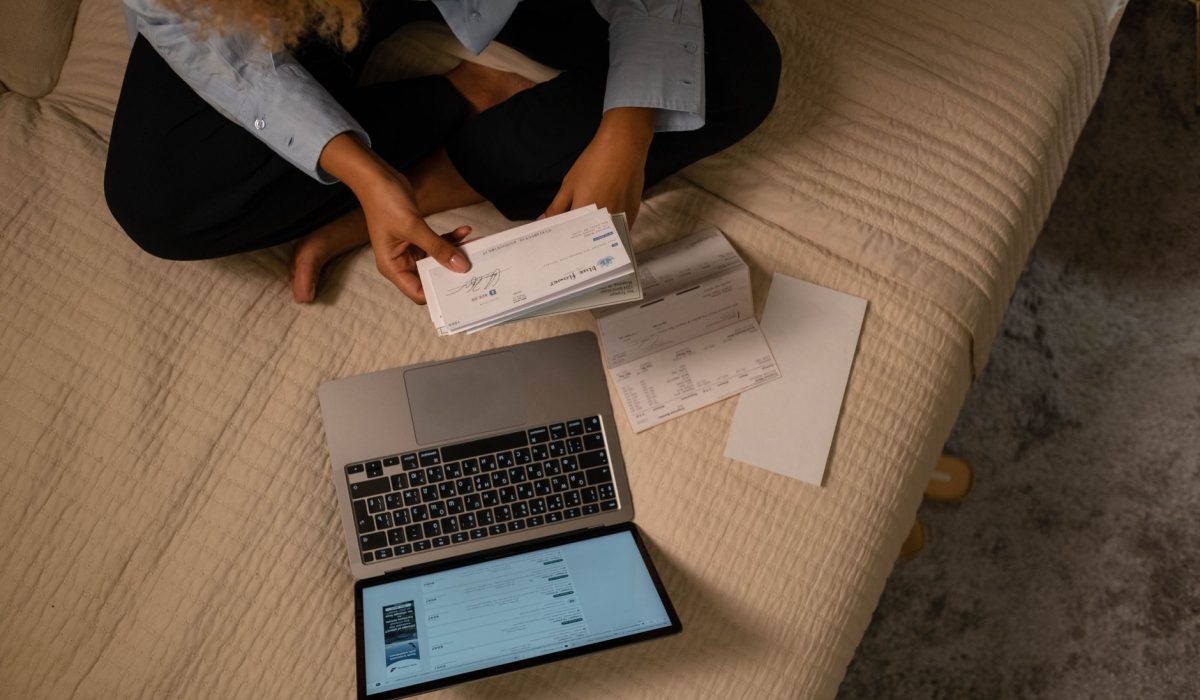
Find the Best Checking Account For Teachers to survive the summer gap. Discover high interest yields, classroom supply loans, and hidden sign-up bonuses today.
Teaching is an absolutely exhausting profession. The daily hours are incredibly long. The general disrespect from modern society can be very harsh. The weekly paychecks are rarely large enough to live comfortably. Educators constantly pour their own personal money into making classrooms functional. Most big national banks do not care about this daily reality at all. They just want to collect expensive monthly maintenance fees. This is exactly why finding the Best Checking Account For Teachers is incredibly important for financial survival.
Educators desperately need a bank that actually understands the lifestyle. They need a financial institution that knows school stops in June. They need accounts that do not punish them harshly for having a low balance. Local credit unions usually step up quickly to fill this massive gap. They offer clever tools specifically designed for the bizarre financial calendar of a public school employee. It makes a massive difference in reducing daily anxiety. Look, managing a classroom is hard enough without worrying about bank fees.
The Ten Month Paycheck Reality
Most normal corporate jobs pay people every two weeks, all year long. Educators live in a completely different financial world. Many public school districts only issue paychecks for ten months of the year. When the hot summer hits, the incoming money completely stops. If an educator is not extremely careful, July and August become terrifying months. Rent still comes due on the first. Grocery bills do not take a lovely summer vacation.
Standard giant banks offer absolutely no help for this exact problem. They just watch the account drain down to zero. Then they charge a painful overdraft fee. Dedicated educational credit unions operate very differently. They deeply understand the ten-month grind. They build specific financial products to catch the dangerous income gaps. It requires a little bit of early planning in September. But it prevents total panic when the school doors finally lock for the summer.
The Magic Of Summer Saver Programs
The absolute greatest invention for modern educators is the Summer Pay account. Some of the top local credit unions in the country offer this brilliant tool. It works completely automatically behind the scenes. Every time a paycheck hits the account during the school year, the bank pulls a tiny slice away. They hide this slice safely in a locked savings vault. The educator never even sees it disappear.
When early July eventually arrives, the bank unlocks the heavy vault. They start sending that hidden money directly back to the main checking account. Suddenly, the educator gets a real paycheck during the dry summer. It beautifully forces automatic savings. It completely removes dangerous human error. A deeply tired professional does not have to remember to transfer funds manually. The banking system does the heavy lifting for them. This specific feature alone makes switching banks entirely worth the minor hassle.
High Returns On Everyday Balances
Inflation brutally crushes daily purchasing power. Money sitting uselessly in a basic account loses real value every single day. The Best Checking Account For Teachers fights back with massive high interest yields. Many teacher-focused credit unions offer special premium checking products. These unique accounts can yield incredibly high interest rates on the first few thousand dollars you hold.
To actually get these high rates, the bank usually requires a few simple hoops to jump through. A person might have to use their plastic debit card fifteen times a month. They might need to sign up for digital electronic statements. These are very easy daily tasks. Earning three percent on a simple checking balance is a massive financial victory. It adds real, taxable cash directly to an educator's pocket just for doing regular grocery shopping.
Common Requirements For High Yield Accounts
- Receiving a direct electronic deposit from the school district.
- Logging into the secure mobile banking app once a month.
- Using a bank debit card for minor daily purchases.
- Accepting digital bank statements instead of bulky paper mail.
- Maintaining a positive overall balance without any overdrafts.
Financing Classroom Supplies Safely
The dirty little secret of public education is out-of-pocket spending. Every hot August, professionals roam the busy aisles of big-box stores. They buy expensive dry erase markers, soft tissues, and colorful bulletin board paper. They spend hundreds of personal dollars. They rarely get fully reimbursed by the district. Putting these massive costs on a normal, high-interest credit card is a fast track to crushing debt.
Some incredibly brilliant credit unions offer special zero-interest classroom loans. This is a total game changer for survival. A person can easily borrow five hundred dollars in August to set up their room. They pay absolutely zero interest on that specific money. They simply pay back the helpful loan in very small chunks throughout the school year. It is a highly respectful nod to the financial sacrifice educators make. Big Wall Street banks would absolutely never offer a loan for zero percent.
Hunting For Massive Sign Up Bonuses
Banks are incredibly desperate for very stable customers. Public employees are very stable, reliable customers. Because of this, financial institutions will literally pay cash for new teacher accounts. Finding a massive sign-up bonus is a fantastic way to start the school year right. Some friendly regional credit unions offer up to three hundred dollars just for moving a direct deposit over to them.
This is absolutely not a scam. It is simply a marketing expense for the wealthy bank. A person opens the new account. They change their complicated payroll form at the district office. They wait patiently. A few short months later, free cash drops directly into the account. That sweet money can cover a car payment or fund a quiet weekend getaway. Smart consumers constantly look around for these cash bonuses. It takes a little annoying paperwork. The final payout is totally real.
Credit Unions Versus The Giant Machines
Walking into a massive national bank usually feels cold. The stressed tellers are violently pushed to sell credit cards. The confusing fee structure requires a magnifying glass to read properly. They treat a public servant making fifty thousand dollars a year like a minor nuisance. They vastly prefer corporate clients with millions to invest. It is a deeply frustrating environment for working-class professionals.
Credit unions were often founded by small groups of teachers working out of damp school basements decades ago. They are legal non-profit organizations. The regular people who hold accounts actually own the place. Because they do not need to please wealthy Wall Street shareholders, they keep their fees incredibly low. They forgive silly overdraft mistakes easily. They actually answer the phone quickly when a member calls. The customer service experience is entirely different.
Navigating Retirement And Pensions
Public employees have very weird retirement setups. They usually rely heavily on state pensions instead of standard corporate retirement plans. Understanding dense pension formulas is a massive headache. Good educational banks have specialized financial advisors. These advisors actually understand these incredibly specific state systems. They know exactly how a private retirement account interacts with a state pension plan.
A standard giant bank advisor usually gives terrible, generic advice to public servants. They aggressively try to sell expensive mutual funds that a teacher simply does not need. A specialized credit union sits down and runs the real, honest numbers. They help thoughtfully plan for a future retirement that is actually comfortable. It provides massive, quiet peace of mind for the later years.
Taking Control Of Your Financial Future
Educators spend their entire lives taking care of other people's children. They rarely have the leftover energy to take care of their own messy finances. Upgrading to a highly specialized banking setup fixes this exact problem. The clever tools run quietly in the background. The summer pay builds up automatically. The high interest deposits itself nicely.
Nobody gets incredibly rich working in a public school. A teacher absolutely does not have to be totally broke, either. By ditching the terrible big banks, you take back power. Finding a highly supportive credit union protects your hard-earned cash. It takes one slightly boring afternoon of paperwork to switch over. That one afternoon completely changes the entire trajectory of a financial life.
FAQs
Do I absolutely have to be a teacher to join a teacher credit union?
Usually, yes. However, many specialized credit unions allow any school employee to join. This broad rule includes bus drivers, janitors, cafeteria workers, and dedicated school nurses.
Is my money truly safe in a smaller local credit union?
Yes. Credit unions are fully insured by the federal government through the NCUA. Your hard-earned deposits are protected up to $250,000. It works exactly like a big national bank.
What exactly happens to my account if I quit teaching entirely?
Once you become a full member of a credit union, you remain a member for life. You keep your accounts active even if you change careers or move away to a new state.
How do I actually get the promised sign-up cash bonus?
You usually have to open a new account online. You set up a recurring direct deposit from your current employer. You must keep the account fully open for at least ninety days.
Why do banks generously offer loans for classroom supplies?
Specialized credit unions know educators spend their own personal cash. They offer cheap supply loans to build intense brand loyalty. They want to keep the educator as a lifelong happy customer.