
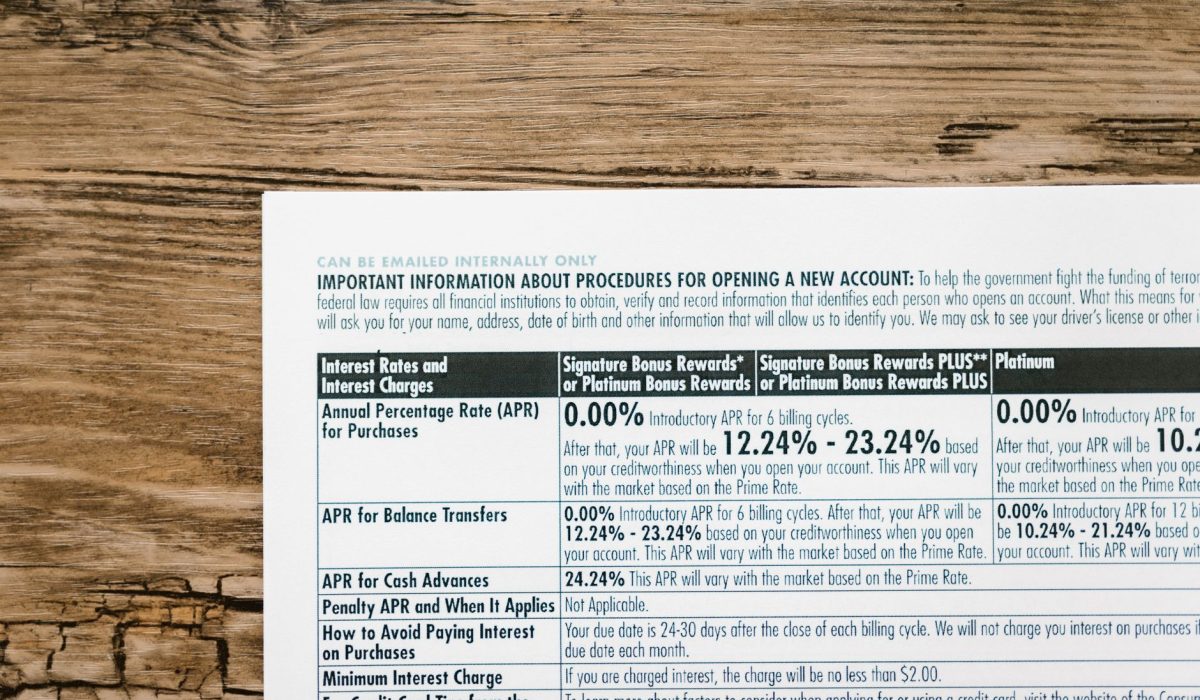
Explore the best Datcu CD Rates for May 2026. See how everyday folks can earn high interest on their savings with a secure credit union account right now.
As we hit May, 2026, finding a completely safe place to stash extra cash is getting tougher. The stock market jumps up and down every single week. Regular bank accounts pay almost nothing. Folks just want a highly reliable way to make their money grow without losing sleep at night. A Certificate of Deposit is basically a locked savings account. It pays out way more money than a standard checking account. Folks who truly hate taking giant risks absolutely love these simple financial tools.
What Makes A Certificate Different From Savings
A regular savings account lets a person pull their cash out any day of the week. That freedom is really nice. However, big banks punish that freedom by paying terrible interest rates. With a certificate, a person signs a strict contract. They agree to leave their money trapped in the bank for a specific amount of time. In exchange for this sacrifice, the bank pays a much higher interest rate. This higher payout is exactly why people hunt for the best Datcu CD Rates on the specific market today.
If someone panics and takes their money out early, the bank gets angry. The bank slaps them with a heavy penalty fee. This nasty fee easily eats up all the interest they earned. Because of this strict rule, folks should only lock up cash they truly do not need right away. It acts exactly like a heavy metal safe for cash. The money just sits quietly in the dark and slowly multiplies.
Looking At The Current Rates Today
Right now, the interest rates at local credit unions are very aggressive. They offer different timeframes depending on how long a person wants to wait. A term is simply the number of months the money stays locked away. Usually, the 12-month option is a massive crowd favorite. It gives families a perfect balance between waiting patiently and earning good cash.
Currently, folks can grab a standard 12-month certificate paying a 3.50% APY. This simply means the trapped cash grows by 3.50% over the course of one full year. The bank also offers a shorter 6-month option sitting at 3.30% APY. That is absolutely great for people who get extremely nervous about long commitments. For those brave folks willing to wait several years, the 24-month and 60-month options hover right around 3.10% APY.
Beating Inflation With Better Returns
Inflation is a nasty invisible monster. It makes everything at the local grocery store cost a lot more money. If a person just hides cash safely under a mattress, that money loses its buying power every single day. The cost of daily bread goes up, but the mattress money stays exactly the same. Earning a solid 3.50% interest helps everyday folks fight back against this invisible thief. It is absolutely not going to make anyone a millionaire overnight. But it totally stops folks from bleeding value.
Big national banks are completely terrible at fighting inflation. They offer total joke rates like 0.01% on savings accounts. They take a person's daily deposits, lend that money out for huge corporate profits, and give the customer pennies. Moving extra cash to a local credit union is a cool form of financial rebellion. It forces the money to actually work for the person who worked hard to earn it.
Dealing With Minimum Deposit Rules
To open one of these locked accounts, a person needs a decent chunk of change ready to go. This starting amount is officially called a minimum deposit. For these specific certificates, folks need to bring at least $1,000 to the table. That sounds like a massive pile of cash for a young worker. But hitting that $1,000 mark is a huge life milestone. It is absolute proof of hard work and serious self-control.
If someone does not have a thousand bucks yet, they should not panic at all. They can just use a basic savings account first. They can toss in fifty bucks a single week. Once the account balance finally hits the magic number, they can move it right over. They can grab those premium Datcu CD Rates instantly. It is all about stringing together very small victories. A smart saver might skip buying expensive morning coffee for a year just to fund their first certificate.
How Dividends Add Up Over Time
When money earns interest at a credit union, the bankers call it a dividend. These dividends are carefully calculated and added to the pile every single month. This cool process is called compounding. Compounding is just a fancy banking word. It means the interest starts earning its very own interest. It works exactly like a tiny snowball rolling down a steep snowy hill. It starts out small and gets absolutely huge.
- Daily Math: The bank calculates the interest based on the exact daily balance.
- Monthly Payouts: The extra cash drops right into the account once a month.
- Reinvestment: Leaving the dividends alone makes the snowball grow much faster.
- Cash Out Options: Folks can demand the bank send the monthly interest to a regular checking account instead.
Picking The Right Term For Future Goals
Guessing the future is super hard, but picking the right term is critical. If a teenager is saving up for a reliable used car next year, a 12-month lockup is absolutely flawless. If a family is saving for college five years down the road, a 60-month term makes total sense. People must always look closely at a calendar before signing the bank paperwork. Locking up next month's rent money is a disaster waiting to happen.
Sometimes the banking world gets super weird. Right now, short terms actually pay better rates than long terms. Banks do this strange thing when they predict the economy might crash later. As of May 2026, the 1-year rate beats the 5-year rate. This backward math is exactly why smart folks check the rate boards constantly. They compare the numbers exactly like folks compare weekend sports scores.
The Secret Power Of Credit Unions
This specific financial institution is a credit union. That makes it totally different from a giant Wall Street bank. Credit unions are actually owned by the regular everyday people who bank there. Because there are no rich shareholders demanding massive profits, the hidden fees stay incredibly low. The interest rates stay super high. They exist to help local teachers, brave firefighters, and factory workers. Folks just love walking into a lobby and seeing a friendly familiar face.
Credit unions do not nickel and dime people to death. Giant national banks love charging folks a fee just for talking to a human teller. Credit unions usually skip that entire nonsense. They also operate as non-profit groups. Plus, the money is just as safe as it is in a huge bank. The federal government protects every single penny up to $250,000.
Your Final Savings Strategy
Building up a truly big pile of money takes brutal patience. Using simple tools like certificates forces a person to stay strictly disciplined. By locking cash away behind a heavy penalty wall, folks completely destroy the temptation to buy stupid things. They stop buying trendy gadgets they do not actually need. This builds a rock-solid habit of saving money. This amazing habit lasts a whole lifetime.
Whether folks are saving for a reliable truck, a big wedding, or a tiny house, the right bank account changes absolutely everything. People need to sit down and study the daily rate boards very carefully. They must pick the setup that perfectly fits their messy life. With a tiny bit of planning today, everyday folks can make their money sweat. It feels incredibly great to watch the bank pay out totally free cash every single month.
FAQs
What is the best 12-month rate right now?
As of May 2026, the standard 12-month certificate pays a solid 3.50% APY.
How much cash is needed to start?
Folks must deposit a minimum of $1,000 to open one of these standard locked accounts.
Is the money actually safe here?
Yes, every deposit is fully insured by the NCUA up to $250,000. It is incredibly safe.
Can folks pull their cash out early?
Yes, but the bank will charge a nasty penalty fee for breaking the signed contract early.
When does the bank pay the interest?
The bank compounds the dividends and drops the money right into the account every single month.